Today: 9:00AM - 7:00PM
Search Sell/Trade Financing
Blog / Tips and Tricks

Blog

All Tips and Tricks Local Kia Sportage Kia Sorento Kia Telluride Kia Dealer Kia Seltos Kia Carnival MPV Kia Forte Kia K4 Just for Fun Kia Soul Kia K5 Kia Sportage Hybrid Kia Stinger Dealership Kia Optima Hybrid Kia Telluride Hybrid Kia Carnival MPV Hybrid Kia Parts Kia Sedona Kia Sorento Hybrid EV Kia Seltos Service Kia Service Toms River Kia Dealer Vehicle Service
Young people in a vehicle

What to remember before starting your family vacation

Road Trip Tips and Tricks Summer is here, and it's time to celebrate. There are so many new things to experience now that the snow is gone, and the skies are blue. We want to help you have fun on the road this summer. Check out our road trip tips to see what you can do to better enjoy your time with your family. more READ MORE: Indoor Family Activities: Rainy Days at the Jersey Shore Maintenance Spring cleaning may be a little overdue, but not for your vehicle. Make sure to clean out your vehicle before you start your journey. Organize your glove compartment to make sure that you have everything you need, especially a map and your insurance information. Fun Excursions What's a road trip without pit stops along the way? Take the time to schedule some fun events on your journey. See the sights and try new things before you reach your ultimate destination. Make sure to switch drivers every so often for safer driving. Staying Alert When you are driving a long way, it is important to stay focused on the road. Turing the air conditioning on high will help you from falling asleep. Eating a snack can also help you from falling asleep. You can also have a co-pilot to help tell you where to go and keep you company as you drive. Use these tips to help you drive safely this summer. READ MORE: 15 Dashboard Warning Lights: What are they? Summer is the perfect time for a cross-country adventure. We hope we helped answer your questions with these road trip tips and tricks. Have fun this summer and enjoy some time with your family. If you are looking for a new vehicle to take with you on your road trip, you can check out our online inventory to see what Kia models we have available and schedule a test drive with us at Matt Blatt Toms River Kia today.

Car driving in snow

Tips for Winter Driving in New Jersey

Driving in the wintertime can be hazardous, to say the least. With snow and ice taking over New Jersey in these cold months, it's best to be prepared! Let's take a look at some winter driving tips from prepping your car to getting stuck: more Winter Driving Tips In New Jersey, our towns are prone to be visited by at least one storm in the winter season. And oh how we would all like to stay home! But unfortunately, life doesn't stop because of a few inches of snow. Though roads may be salted and cleared doesn't mean one shouldn't drive with extreme caution. If anything, this is a time to increase your defensive driving! Let's go through some winter driving tips: Preparing for Snow Understanding the Environment While Behind the Wheel If Your Car Gets Stuck Preparing for Snow Before the first flakes fall for the season, get your vehicle ready! Check your fluids! In the middle of a snowstorm is no time to be driving on bad brakes or without washer fluid. So check your car's brake fluid, anti-freeze, transmission fluid, oil, and windshield washer fluid. If you see you're using your windshield washer fluid a lot, refill it after the storm so your visibility is as good as it can be. Lastly, gas would fall under the 'fluids' category as well. Try to not go under a half tank. Imagine being stuck in the snow and losing heat! Next replace your wipers if they need replacing! You can check if they are working properly by squirting some water on to the windshield and if it leaves streaks, replace those bad boys. Also, ensure they are on there nice a tight so in inclement weather they don't fly off. Take a look at your tires. Are they properly inflated? The change from warm to cold weather will affect your tire pressure. You will probably need to add more air. On top of tire pressure, inspect your tire's tread. The more tread the better the grip. You can read more about tires here! A scraper is a must for winter. Preferably one with a brush on one side. In the morning, DO NOT try to scrape your windshield with only your wiper blades. It will ruin them and possibly burn out the wiper motor. Use the scraper and brush to clear your whole car of snow from windshields to lights! Sadly we see a large amount of drivers who don't clear off the snow from their roof and hood. Not only can the snow shift and fall onto your windshield causing obstruction to your visibility, but it can also fly off and land on other drivers' cars. Be safe and spend an extra minute fully clearing your car for you and fellow driver's safety. Lastly, what's inside your car? Winter is no time to keep your car barren. Add some extra supplies for the unlucky chance you do get stuck in the snow somewhere. Winter emergency kit items include: extra clothing or blankets, water, snacks, and a small shovel (see the section below If You Get Stuck). Understanding the Environment Two things to be aware about when it comes to your driving environment: if it is below freezing and what parts of the roads freeze first. Is it below freezing? Most newer cars have a thermometer displaying the outside temperature. Knowing what the temperature is can prepare you for unseen ice. What parts of the road freeze first? If it's freezing, below freezing, or if it was below freezing not too long ago, expect there to be ice. The parts of the road that tend to freeze first or remain frozen longer are bridges, overpasses, low lying parts in the road, streets near bodies of water, and spots in shadow. Similarly, people tend to forget about intersections. It may look slushy and not frozen but that is due to the constant stop and go of traffic. The friction creates heat that melts snow and ice to create a watery look. This actually can cover up ice and create extra lubrication. So beware! While Behind the Wheel Don't rush! Give yourself extra time to get to where you're going. Take your time with clearing off your car, braking, accelerating, and turning. Easy on the petals! And speaking of braking, accelerating, and turning, do them separately. Do not try to hit the brakes while turning or accelerate while turning. You're just asking for your car to loss grip and slide. Double your usual follow distance. Exactly what I said. Double how far you're from the car in front of you, because remember it's going to take you longer to stop. Finally, when driving uphill or downhill, don't floor it OR stop! Both could cause you to lose control of the vehicle and its grip on a snowy road. So generally, be smart, take your time, and extra care while driving! If Your Car Gets Stuck Now, IF you do get stuck: d on't panic, breathe, and think 'improve traction'. How can you do that? Start by removing snow and ice from under and around your tires with the little shovel you've stored in your winter emergency stash. Then ease on the gas very slowly. If you seem to be slightly moving but not quite getting there, try rocking the car. Meaning go into drive then reverse a few times to create a rocking. Be careful doing this. Your transmission can be damaged if you don't take care to stop and switch from one to the other. Lastly, try to lodge something under the front of your tires to increase traction. For example, find a large stick to shove under the tire. It may grib into the snow better and enable a extra amount of traction to free you from the snow. After you try those tactics and still can't seem to get out, call a tow truck. They know this happens frequently during snow storms and are at the ready. Winter Driving Tips: Ready to Ride! There you go! All the winter driving tips you need for this season. If you're looking for recommendations for better cars for the winter time, check out our new 2020 Kia Sportage with AWD, or the Kia Telluride with an exclusive SNOW driving mode. If you have an questions our team would be more than happy to assist you in safely driving during the winter. Thanks for reading and safe travels!

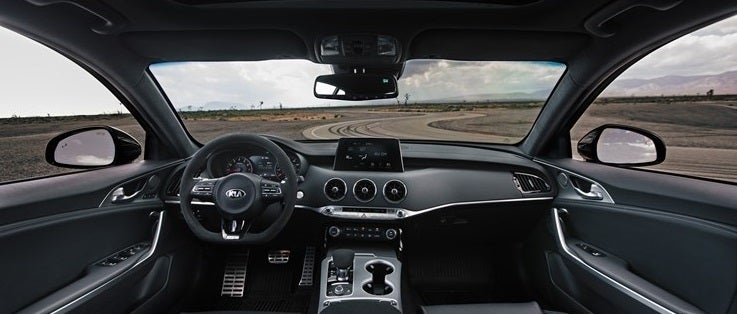
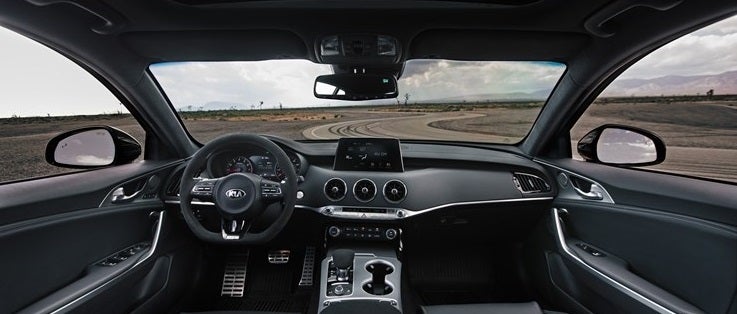
2020 Stinger GTS Interior with Sport Kia Driving Mode

[Updated] Kia Driving Modes: What are the Kia Driving Modes and what do they do?

Driving a Kia is more than just driving. It's Eco Driving. It's Sport Driving. It's Smart Driving. The Kia Driving Modes are tailored for different styles so you enjoy every second whether you want an extra boost of acceleration in Sport Mode or to save some fuel in Eco mode. Let's take a look at each of the Kia Driving Modes and Which Models have them. more In the newer Kia models, you'll find different combinations of drive mode options for optimum usability and custom driving. But some of the more luxurious models have additional modes such as Smart, Custom, or Snow. Knowing which does what and when to use them will assist in your commute, alternate terrains, and to maximize comfort. "Driving modes, or Drive Mode Select (DMS), proactively controls parts of the engine, transmission, and air conditioning system to suit your driving style." Though the configurations differ per model, they are standard on every trim level of a model. For example, the Kia Optima has Normal, Sport, Eco, and Comfort on every trim level from the LX to the SX. So whether, you opt for the EX or the LX, the awesome driving modes are there! But what can you expect from each Kia Driving Mode? Let's take a diving into the details: Eco Sport Comfort Smart Custom Snow Kia Driving Modes ECO Mode The Kia driving mode ECO increases fuel efficiency. Each model slightly differs but essentially your a can expect increase MPG from the transmission shifting gears to a lower RPM, a different throttle response, and in some models, even shutting off the engine when in complete stop like in the Kia Telluride. These several factors are paired together to reduce fuel use and save you money. This is a great mode for everyday and urban driving! ECO mode is the most common apart from SPORT mode. You'll find ECO mode in the new Seltos, Sportage, Sorento, Stinger, Telluride, and Optima for an extra fuel efficiency advantage. SPORT Mode Looking for an extra boost? Switch into SPORT mode. You feel an increased response on the throttle, a raised the transmission shift point, and tightened steering. At higher speeds, SPORT mode increases control and helps handling. It's the extra kick you're looking for in instances when you prefer power over fuel efficiency. SPORT Mode is found in: Seltos, Sportage, Optima, Sorento, Forte, Soul, Stinger, and Telluride! COMFORT Mode Shift into COMFORT mode for a smoother ride, perfect for city driving. The steering is lightened for easier, more exact turning. Your Kia will also have a smoother suspension and acceleration for a cushioned ride. Relax and enjoy the ride in Kia Driving Mode COMFORT found in the Forte, Optima, Stinger, and Telluride. SMART Mode Exclusively found in the Kia Stinger, SMART mode is an adaptive, advanced mode that switched between COMFORT, ECO, and SPORT to bring the passengers a SMART driving experience. The seamless switching optimizes for fuel efficiency, smooth riding, and a power boost. Your driving is partnered with this dynamic mode for the best driving according to road conditions and your personal driving style. CUSTOM Mode The Kia Driving Mode CUSTOM is exactly that. Exclusive to the Kia Stinger, create your own driving settings with customized suspension, steering, and throttle characteristics. Enjoy your tailored machine and harness the power and comfort you crave. SNOW Mode The Kia Telluride is enabled with SNOW mode! In icy conditions, traction control increases and power is distributed between the wheels for better grip and more control. The Telluride is an amazing vehicle for alternate terrains and with the bonus of it's driving modes, you have the perfect Kia driving modes for your lifestyle. In the Telluride, the Kia Drive Mode Select presents you with the options of ECO, SPORT, COMFORT, and SNOW! Kia Models and the Kia Driving Modes in Each Sportage - Normal, ECO or SPORT. Sorento - Normal, ECO or SPORT. Forte - Normal, SPORT, or COMFORT.  (Automatic ECO enabled) Optima - Normal, COMFORT, ECO, and SPORT. K5 - Normal, ECO, and Sport. Stinger - Normal, ECO, SPORT, COMFORT, SMART, or CUSTOM. Telluride - Normal, ECO, SPORT, COMFORT, and SNOW. Soul - Normal and SPORT. (Automatic ECO enabled) Seltos - Normal, ECO or SPORT. READ MORE: 2019 Kia Forte Gas Mileage: How far can you go?

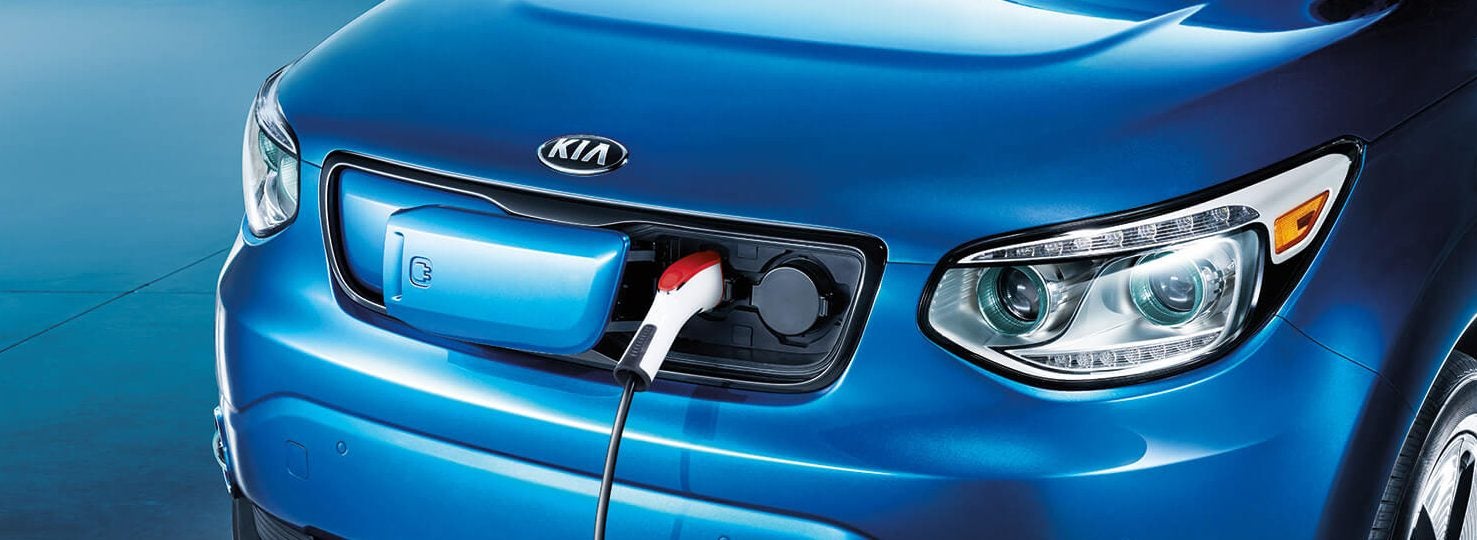
Front view of the 2019 Kia Soul EV plugged in to charge

Electric Cars and Hybrids

Wondering how you can make a positive impact? Electric cars and hybrids are great options for those who need a vehicle and want to make as small of a mark as they can. Let's take a look at EVs and Hybrid cars. more Save money while reducing air pollution. We all know the best way to help in terms of air pollution would be to only use public transportation, walk, or ride a bike. But realistically many don't/can't for one reason or another. The next best thing is moving from your regular internal combustion vehicle to a hybrid or EV (electric vehicle). You'll be reducing your output of air pollution, save money with higher fuel efficiency, and receive special incentives and rebates for doing so! Electric and hybrid cars seem to had a bad reputation because of the first models, which were slow and had very low ranges. After a few years, the newer models are now extremely impressive. For example, the new 2020 Kia Soul EV has 201 hp and 291 ft.-lb. of torque with a quick pick up from 0 to 60mpg. The 2019 Mitsubishi Outlander PHEV is also pretty astounding with the hybrid mode reaching 310 miles! Let's take a look at: Hybrid Cars (Standard & PHEV i.e. plug-in electric vehicle) Electric Cars (EV i.e. electric vehicles) Full Electric or Hybrid? EV and Hybrid Options 2019 Mitsubishi Outlander PHEV Hybrid Cars Hybrids are vehicles with a combination of both the electric motor and the internal combustion engine (ICE). They can be used both at the same time, or one at a time, depending on the vehicle. This is great for the environment because less gas is used while driving in turn, reducing the output of carbon monoxide. There are two kinds of hybrids: the standard hybrid and plug-in hybrids. The standard hybrids use the car brakes and regular combustion engine to recharge the battery. They usually aren't able to run on only battery but use the combination of the two engines together to increase MGPe (miles per gallon of gasoline-equivalent). For plug-in hybrids, the "battery can be recharged by plugging it into an external source of electric power, as well by its on-board engine and generator." They can be plugged into a charging station like a full EV. Usually, plug-in hybrids have better batteries with a longer charge than the standard hybrids and are able to drive solely on the electric motor. With both standard and plug-in, your car maintenance costs will be reduced! The electric motor will alleviate the work put onto the ICE which will make the need for common maintenance less frequent. Alternatively, if you want to completely eliminate the use of gas... 2018 Kia Soul EV Electric Cars Full electric vehicles are cars that have only an electric battery motor. Why get one? Zero carbon monoxide emissions, zero gas cost, and less maintenance. You can charge up at home overnight or at a charging station. The range, or distance you can go on a full charge, can vary depending on make and model. These are great vehicles for short driving needs. From work to running errands to back home will cost you zero in gas and a very small price added to your electric bill. We asked an owner of the 2018 Kia Soul EV how her bills have changed. She said "I was spending about $80 on gas a month. Now with the Soul EV, I'm spending nothing on gas and my electric bill has only gone up about $10 a month!" So Full Electric or Hybrid? To help decide whether an EV or hybrid is best for you, calculate the distance you usually are driving on a daily basis. The EV has a limited range before you need a charge. If you find yourself driving more than the range of the vehicle, opting for a hybrid would be your better choice. With both, you'll save money on gas as well as receive special incentives for buying! NJ electric vehicle incentives can be found here. EV and Hybrid Options 2019 Kia Niro Hyrbid The Kia Niro Hybrid comes as either a standard hybrid or plug-in hybrid. This crossover SUV has a hatchback and is an awesome vehicle if you're looking for a hybrid option. 2019 Mitsubishi Outlander PHEV This plug-in hybrid SUV is spacious and powerful as well as multi-award winning as World's Best Selling Plug-in Hybrid SUV, Green Car Journal's 2019 Green SUV of the Year, and ASG Best 5 All-Around Performance Award. 2020 Kia Soul EV The newest EV to the Kia lineup stops you in your tracks! The Soul is already loaded with awesome features, now you don't have to pay for gas. Lightweight and ready to roll. Coming soon to our inventory. Find out more information here. 2019 Kia Optima Hybrid You know the Kia Optima for its style, elegance, and awesome features but did you know there was a hybrid option? Like the Niro, the Optima is available in the standard and plug-in hybrid!     Check out our full inventory of hybrid and EV options here. If you enjoyed our article, give it a share! Thanks for reading and starting your journey to helping save the planet!

Dashboard Lights

15 Dashboard Warning Lights: What are they?

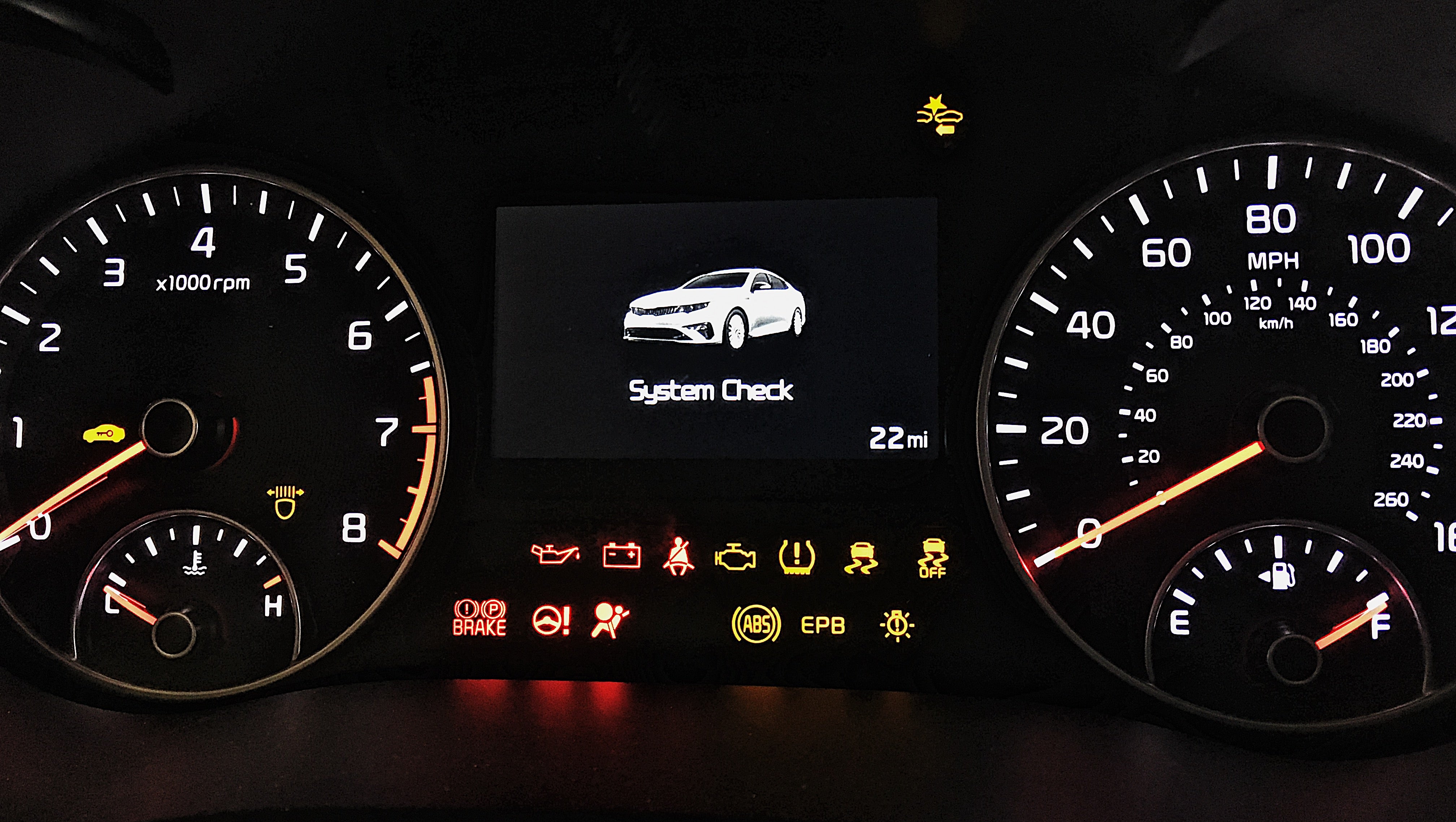
Why is this light on my dashboard flashing? What does this warning light mean? Let's look at what your Car Dashboard Warning Lights are and why it's lit up! more No one enjoys seeing a dashboard warning light flash on while driving. We ask: What is this car dashboard warning light? Why did it turn on? Do I need to pull over?! Breathe, it's going to be alright. Let's take a look at the most common car dashboard warning lights! What are dashboard warning lights? Car dashboard warning lights alert the driver there is a problem by flashing or remaining on. It can be a for something small like a seat belt not buckled, a door ajar, or a faulty wire. But it can also be a more major issue like a seized engine due to lack of oil, blown head gasket, or lack of hydraulic pressure on your brakes. Knowing the meanings of your car's dashboard warning lights could save you from unnecessary expenses, lacking driver safety, or major car issues. The car dashboard is trickled with warning lights that flash on when starting the car for a system check and soon turn off. It's important to know what they mean. Each car has slightly different dashboard warning lights but all in all, your car has the basics. You can review your specific model's car dashboard warning lights in the Car Owner's Manual or speak to your sales representative. Let's take a look at the basic lights from the dashboard of a 2019 Kia Optima. VEHICLE SPECIALS INSTANT CASH OFFER What does each Car Dashboard Warning Light mean? IMMOBILIZER INDICATOR WARNING LIGHT When you stick your key in the ignition and turn it to the ON position, the immobilizer indicator light will turn on and shortly turn off. If it starts flashing, this means the system does not recognize the key. This works the same for a keyless ignition but with the keycode. This warning light is basically an anti-theft system. If the key is not the right key, it disables the engine from starting. OIL PRESSURE WARNING LIGHT STOP driving! Low oil pressure is highly damaging to your engine and can be the result of a leak. Check your oil level after the car cools down and add motor oil if needed. If the light remains on, do not drive your car! It is not uncommon that the sensor is bad but without proper inspection, you shouldn’t risk it. Therefore until the problem is resolved, driving could permanently ruin your engine. Get it checked by our service department! BATTERY WARNING LIGHT This light means there is an issue with the car’s electrical system. It can be anything from a small loose wire to a larger issue like a problem with the vehicle’s battery or alternator. If this light comes on, get your car checked out immediately. Waiting could result in you and your car stranded somewhere. SEAT BELT WARNING LIGHT This usually indicates that someone in the car is not wearing their seat belt! Most new models have lights that will start to blink and beep if all the passengers aren’t wearing their seat belts. If everyone is, there may be a problem with the sensor. Try cleaning out the buckle or replacing it. CHECK ENGINE LIGHT The dreaded check engine light or malfunction indicator. This car dashboard warning light flashes on for a number of reasons. It can be as simple as a loose gas cap or as severe as an overheating catalytic converter. Luckily is it easy to find out what’s wrong. A code is triggered and can be retrieved with a Car Code Reader. Bring your vehicle to get checked before the problem escalates. TIRE PRESSURE WARNING LIGHT Check your tires! Usually, the light indicates tire pressure is low in one or more tires. This could be due to weather change. Add air to your tired immediately and check for punctures. TIRE PRESSURE WARNING LIGHT Check your tires! Usually, the light indicates tire pressure is low in one or more tires. This could be due to weather change. Add air to your tired immediately and check for punctures. ELECTRONIC STABILITY CONTROL INDICATOR LIGHT (ESC) In extreme steering situations, this light will pop on to signal the stability control is on. ESC is an evolution of traction control and helps the driver maintain control of the car when turning nears or exceeds the limits of the road traction. Alternatively, if the light remains on, you will need to see a mechanic to diagnose the issue with the system. The ESC light with the “OFF” below it, notifies you the Electronic Stability Control is disabled. VEHICLE SPECIALS INSTANT CASH OFFER ELECTRONIC OR HYDRAULIC POWER STEERING This car dash warning light illuminates when the power steering is not working properly. Newer models have an electronic power steering while older have a hydraulic power steering. Either way, the vehicle needs to be serviced to refill the fluid and/or conduct a system check. ANTI-LOCK BRAKE SYSTEM WARNING LIGHT The system helps maintain traction to the road while braking. For this light, drive with caution and with service in the very near future. Your brakes will still work but in an emergency, this feature is important for safety. If this light and the Parking Brake / Brake Fluid Warning Light (below) are both lit up, immediately pull over. There is a malfunction with the brake system and it is not safe to drive. PARKING BRAKE / BRAKE FLUID WARNING LIGHT Check your parking brake because this light means either your parking brake is engaged or a more serious problem. If it remains on and you’ve checked the parking brake, there could be a serious issue with your brakes such as a lack of hydraulic fluid in your brake line. DO NOT DRIVE if this light stays on. It is possible your brakes could fail to work. AIRBAG WARNING LIGHT Next, we have the airbag warning light. This little light warns there is a problem with the airbag system and the airbags will not deploy in an accident. Causes of this could be from an accident and the airbags did not deploy or from a faulty seatbelt sensor. Whether or not, getting this check as soon as possible could mean life or death in an accident. Schedule to come into service today. E LECTRONIC PARKING BRAKE (EPB) LIGHT Many get used to the convenience of an electronic parking brake to assist while stationary. If this light stays on the dashboard, do not rely on the EPB! It is either malfunctioning and/or deactivated due to an issue. Get this inspected by your service department. BULB MONITORING WARNING LIGHT Check your lights! An essential light has burned out and is in need of replacing. Check your brake lights, headlights, and others. Then, replace accordingly. A UTONOMOUS EMERGENCY BRAKING (AEB) Lastly, on this dashboard, we have the Autonomous Emergency Braking Warning light. AEB is a new safety feature that automatically stops the car if the driver fails to react in an emergency situation of a forward collision. If this light illuminates, the safety system is disabled. If the system is switched on and the light is still lit, there may be a problem with the AEB and therefore should be inspected by a mechanic. SAFELY KNOWING YOUR DASHBOARD WARNING LIGHTS Knowing what is part of your car dashboard provides security and safety to your driving. Warning lights are there for a reason and should not be ignored. If you find other lights on your car dashboard, check your owner’s manual and review what to do in the event of an illuminated warning light. Remember, when you first start your car the lights will flash on for a check then turn off. If you have any questions about other warning lights, please leave a comment and our team will find the answer for you! VEHICLE SPECIALS INSTANT CASH OFFER

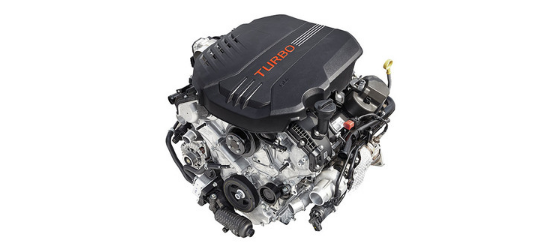
Kia Stinger Engine

Types of Car Engines: Layouts to Configurations

Turning a key or pressing a button is easy!  Understanding what’s going on under the hood gets a little more technical from types of car engines to cylinder configurations. more The tubes, wires, and weirdly shaped pipes all do their part to make your car go further faster. Let’s take a look at: How Car Engines Work Types of Car Engines Cylinder Configurations How Engines Work: Four-stroke Engine Nowadays you’ll most likely find a four-stroke engine in your car, SUV, or truck. This means the type of car engine has 4 essential steps for internal combustion. Internal combustion consists of igniting a mixture of fuel and air to create a small controlled explosion in the cylinders. Let’s take a step back to understand exactly what that means. Car engines are built around the cylinders, which are sealed metal tubes with a spark plug and two valves on one side, and a crankshaft on the other. Inside the cylinders are pistons. Pistons are tight fitting pumps like plungers. These are attached to the crankshaft and slide up and down retracting energy from the explosion. The inlet valve and outlet valve, let air and gas in and release exhaust, respectively. When the spark plug ignites the gas, the pistons move and turn the crankshaft. Finally, the turning movement from the crankshaft transfers to the gearbox and moves the vehicle forward. Wikipedia: Four-stroke cycle used in gasoline/petrol engines: intake (1), compression (2), power (3), and exhaust (4). The movement of the pistons is created in 4 steps: intake, compression, combustion, and exhaust. First, the piston is pulled down in the cylinder while the inlet valve injects a fuel and air mixture into the cylinder. Second, the valve closes and the piston moves back up. This compresses the mixture to ready for ignition. After compression, the spark plug ignites. The mini-explosion creates a hot gas that forces the piston back down which turns the crankshaft. Finally, the force on the crankshaft powers the continued turning, forcing the piston back up. The outlet valve then opens releasing the exhaust from the cylinder. The repetition of this process in each cylinder in rapid succession creates an enormous force that drives your vehicle forward. Types of Car Engines: 3 Most Common Layouts Inline Engine Inline or Straight: This is the most common engine found in cars, SUVs, and trucks. The cylinders are upright, side by side which makes the engine compact and effective. V: The V engines looks like a ‘v’ with the cylinders on a 60-degree angle. They are able to fit a large number of cylinders and can be found on premium or high-performance supercars. Flat: Also known as a ‘boxer’ engine, has the cylinders lying horizontally. Gravity is working with this style. Flat engines are not common and mainly found on Porsche. Cylinder Configurations Previous to fuel injection and turbochargers, the number of cylinders would define the amount of power an engine has. Fuel injection is a direct injection of fuel to the combustion chamber, compared to the use of a carburetor which relies on the suction from the pistons to pull the air and fuel mixture into the combustion chamber. Fuel injection is used in diesel engines allowing for more power, a smoother throttle response, and better fuel efficiency. A turbocharger adds extra compression onto the combustion chamber improving the efficiency and power output. These two engine additions have allowed more power without the need for more cylinders. The most common configuration is the four-cylinder engine (mostly inline layout). Small to mid-range cars have this under the hood. It provides a good output while remaining compact. You can find many vehicles with the turbocharger added for an extra boost. Less commonly, we have twin cylinder cars. You see two-cylinders on small eco-friendly engines. Three-cylinder engines are typically in a straight layout due to the uneven cylinder number and can be found on small cars or small hatchbacks the like the Mitsubishi Mirage. The fuel economy is also very good on these while remaining compact and affordable. On the other side, the increase in cylinders to 6 are for more high-end performance and sports cars. The layout is typically a V or straight engine. Lastly, we have 8+ cylinder engines. With 8 or more, you’re probably looking at a supercar with a V layout. Ready to browse! Understanding the types of car engines available and what's in your new car doesn't have to be a mystery. You'll know what brings you an extra boost or which is more fuel efficient. Matt Blatt has a variety of options from our new Kia inventory with the Kia Optima 's inline 4-cylinder engine to the Kia Sorento 's V 6-cylinder engine! That's not including our fast selling quality pre-owned cars. Our team is happy to answer any further questions about engines, what's available, and more! Contact us today. V Engine

Tires

When to Replace Your Tires | Everything you need to know about Car Tires

Have you been wondering about when to replace tires on your vehicle? Find out the rules of thumb, why tires are important to keep up with, and when replacing your tires is a must! more READ MORE: Leasing vs Buying: The Pros and Cons A common question many customers ask is when to replace tires on your car. Like shoes, tires come in many shapes and sizes. But they all have an important thing in common. Traction. Traction is ”the grip of a tire on a road or a wheel on a rail” and in this case on the road. Have you ever heard the saying "Don't skimp on things that separate you from the ground"? Do you know why they say that about tires? It's because bad tires could kill you. A little morbid but the importance of good tires is not something to sleep on. So when do you replace your tires? The simple answer is sooner than later, but let’s get into the details: About Tires Why do you need a Tread Depth? When to Replace Tires When To Replace Tires About Vehicle Tires You mean to say these rubber round things need to be checked even if they generally look fine and still hold air? Yes! Good tires grip you and your vehicle to the road, saving you from many terrible accidents. Tires carry your car’s weight, absorb shock while driving, deliver power from the engine, and turn the vehicle, so you can understand the importance of proper tire maintenance. Maintenance involves not only tire replacement but also tire pressure monitoring! Check your tire pressure every month, especially when around the fall/winter time. “Goodyear experts explain that air pressure in a tire typically goes down 1-2 pounds for every 10 degrees of temperature change.” It’s also important to check your tires when the tires are cold, as in haven’t been driven on recently or about 3 hours after driving. New Jersey’s weather fluctuates greatly from hot to cold with rain, sleet, and snow. This weather is very dangerous to drive in without a tire tread design and tread depth. Tire tread is the part of the tire that makes contact with the road. Why do you need a Tread Depth? Tread depth is the length from the outermost part of the tire to the bottom of the tire’s grooves. When to replace your car tires is mainly based on the tread depth. It holds your car to the road in wet, slush, or icy conditions because it provides a place for the liquid to move and allows the tires to reach the ground. In the snow, it also provides a grip and bites into the snow. Without tread, your car will hydroplane in the rain and neglect to brake properly. It's the same concept with a bicycle. Or if you’ve watched NASCAR, you have noticed the cars don’t have at tread. But one drop of rain and the hold race is postponed. This is because without tread the cars would virtually have little to no traction in the rain. They would hydroplane and spiral out of control. Fun fact, the cars don’t have tread because it allows more of the tire to grip the road for maximum traction. Cool, but extremely dangerous for day-to-day driving. When To Replace Tires New Jersey st ate considers two-thirty-seconds of an inch to be the minimum legal tread depth. Generally, the method people use to check this is with a penny. The top of Abraham Lincoln's head from the edge of the penny is about two-thirty-seconds of an inch. By placing the penny between the tread, if you can see the top of his head, you must replace your tires. We do not r ecommend this! The two-thirty-seconds of an inch is the minimum and is the least safe legal depth. Th e risk for hydroplaning is monumentally increased and the distance needed to stop is significantly higher. Deciding when to replace your tires need consideration of the risks associated with waiting. We know tires can get a little pricy but compared to the price of fixing or having replacing your car after a crash, it’s worth the investment. We asked our service manager of Matt Blatt Kia of Toms River, Paul Holden, what he recommends. “At four-thirty-seconds of an inch, we have the conversation with the customers about replacing their tires. Four-thirty-seconds is the lowest yellow measurement on the tread depth chart, meaning it’s about to be in the unsafe zone. At this point, you lose most snow traction and have very poor wet traction. The next time you come in for service, your tires will be bald.” Four-thirty-seconds of an inch is the depth when to replace tires. Most tires are designed to do about 50,000 miles before needing replacement. Though this can be a signal to thoroughly inspect your tires, it is not a definite marker. Different driving styles and situations will affect the time when replacing your tires is necessary. When your car is being serviced, good reputable car service shops will inspect the tires and inform you if there is a safety issue. Remember to inspect all four tires' air pressure and rotate them to extend their life! Think you may need new tires? Shop new Kia tires, or contact our service department. We are happy to help keep you and your family driving safely.

2020 Stinger GTS Interior with Sport Kia Driving Mode

Leasing vs Buying: The Pros and Cons

Trying to decide which option is the best for you? When comparing leasing vs buying (through financing), there are many things to consider. Learn more about each side. READ MORE: 2020 Kia Sportage vs 2020 Chevy Equinox more When comparing leasing vs buying, you need to take into account the pros and cons. Your lifestyle, car preferences, and availability will determine which is the best option for you and your wallet. Whether it be leasing or financing, one of the most common car buying options, our team will get you the best deal. Your choice to lease or buy is greatly affected by several important factors including your credit score, income, debt to income ratio, money down, co-signer, the value of your trade-in, and more. Each person's situation differs and affects what is available to you in buying or leasing. Let's take a look at: What is Leasing? What is Financing? Why lease? The Pros Cons to Leasing Why Finance or Buy a Car? The Pros Cons to Financing Leasing vs Buying: Which is Best for You? What is Leasing? Leasing isn't what it use to be. With Matt Blatt Dealerships, leasing or buying a car are transparent processes. You know your payments and everything up, down, and sideways. Not to mention, we offer a 4 day love it or leave it policy. Going to a reputable dealership makes the world of difference when leasing or buying a car. Now, what is leasing? By definition, a lease is 'a contract by which one party conveys land, property, services, etc. to another for a specified time, usually in return for a periodic payment.' Basically, you are renting the car for a period of time, like renting an apartment or house. At the end of the lease, 2 options are available for you and your car: return the vehicle back to the dealership and get into a new lease, or buy the car for the price on the lease agreement. How to determine your monthly lease payments? After choosing how long you'll lease for, your monthly payments are calculated by the difference between the vehicle’s price and its expected value at the end of the lease, plus interest and fees. When thinking about leasing vs buying, a payment estimate calculator may help give you an idea of what your payments could look like. What is Financing? Financing has previously been a very popular car buying option. Now, with more transparency and very affordable lease options, fewer people are opting for it. Financing is 'providing funding for a person or enterprise.' So you are buying the car on a loan with monthly payments for a set of period time. After the agreed pay period, your car will be fully paid off. The loan can be direct lending or dealership financing. Dealerships tend to have very good loan options because of their strong relationships with banks. You and your sales representative will find a loan that fits your situation with an agreed price, period of time to pay, and interest rate. Pros and Cons comparing Leasing vs Buying Why Lease? The Pros New Car Every Few Years: Lease time periods are typically 24-48 month terms. Therefore, every couple of years, you bring the vehicle back with zero negative equity and get into a brand new vehicle. More Car for Less Money: For the same vehicle, monthly lease payments are lower compared to buying payments. You get a nicer vehicle for less money. Flexibility: Not only are you not stuck with the car forever, when setting up your contract you are able to shift around your term length, monthly payments, and money down. Always Under Warranty: The car will always be under the factory warranty. GAP coverage is included: You don't have to pay for coverage because it's included with a lease. Option to Buy: At the end of your lease period, you have the option to buy the vehicle. Building Credit: Every monthly payment is continuously building your credit up. Great Deals: Each month, different lease deals are available. Keep an eye out for the right one for you. Cons of Leasing Mileage Restrictions: With a lease, you are allotted a limited amount of miles each year. Usually, the miles are from 10,000 to 20,000 a year. Always a Payment: You will always have a monthly payment. Driving Caution: The coverage and warranty cover the normal wear and tear. You pay for any extra damages at the end of the lease. Why Finance or Buy a Car? The Pros Paying to Own: You are building equity in the car. The title and car will be yours. Don't Worry About Miles: Being as you are going to own the car, mileage limits do not apply. Drive as much as you want. New or Used: You can finance a new OR used car. And with Matt Blatt's large inventory of quality pre-owned cars, this is a great option to have. Lots of Incentives: The manufacturer usually has continuously changing incentive deals available. If you are looking to finance, keeping an eye on monthly incentives to save money. Trade-In: Having a trade in can lower your payments and be part of your payments toward owning the car. Review our trade-in calculator. Cons to Financing Warranty: Your warranty will run out and you'll have to purchase one or go without one and risk a loss. Don't Officially Own: Until the vehicle is paid in full, you don't officially own the vehicle. Higher Payments: The monthly payments usually are higher when financing. Leasing vs Buying: Which Is Best For You? In conclusion, when comparing leasing vs buying, there are many things to co nsider. As a result, it comes down to your situation. Each person is in a different position and will have different choices available to them. The best option is to speak with a sales representative at a reputable and honest car place to get the best lease and car buying deals. Our team is here if you have any questions! And we guarantee, Matt Blatt Dealerships will take care of you!

Man pumping gas

How can I save at the pump?

Tips to improve your fuel economy Summer is a great time for driving. Are you planning a trip? Do you like going on afternoon drives? We have some tips to improve your fuel economy so that you can enjoy your ride for even longer. Let's take a look at your tire pressure to get started. more READ MORE: Advice for your family vacation Tire Pressure Depending on whether you have too much or too little tire pressure, your vehicle will not run as efficiently as you would like. When you have a low tire pressure, your car has to work harder, making it use more fuel. Fill up your tire to the proper amount for optimal fuel efficiency. Maintenance There are plenty of things that wear down over time inside your vehicle. The air filter is just one of them. When the air filter needs to be replaced, you should replace it for a better fuel economy. This will save you time and money at the pump. Driving Techniques There are many things you can do as a driver that will help your vehicle's fuel economy. You should not drive with your windows down if you want to save on fuel. The drag from the wind makes your engine work harder. You should also use cruise control for a steady rate of speed. When you start and stop, that makes the vehicle use more fuel. READ MORE: Spring Cleaning Tips for your Car There are so many simple ways you can improve your car's performance. We hope we've helped you with these tips to improve your fuel economy. If you are interested in a new Kia model to buy or lease, you can check out our online inventory to see what vehicles we have in stock and schedule a test drive with us at Matt Blatt Toms River Kia today.

Young people in a vehicle

Advice for your family vacation

Road Trip Tips If you are planning on taking a road trip this summer, you may want to think ahead. There are a lot of things to keep in mind before you head out on your journey, but we have a list of some things you may want to be reminded on. Let's take a look at some road trip tips for you to use on your next vacation. more READ MORE: Spring Cleaning Tips for your Car Plan Ahead Planning may seem easy, but you need to have a good plan so things run smoothly. You should decide on a time you will leave and hope to get back. Make sure you have enough time for fun as well as enough time to return in case something unexpected happens. Inspection Before you head out on the road, it is a good idea to make sure your vehicle is in running order. If you need an oil change or a tire rotation, get them before you go on your trip. It is also wise to make sure your tires are filled with air as well. Stay Focused When you are driving for long distances, you may want to switch drivers every few hours. Driving without stopping can cause fatigue and be dangerous for you and your passengers. Play some music or turn on the air conditioning to keep you awake. Having a healthy snack will help you stay awake and help your mind stay on top of its game. READ MORE: Where can we go for a hike? We hope these road trip tips have been helpful. Make sure to check out our blog for other fun tips to help you plan your family activities. If you are looking for a vehicle to take on your next road trip, you can check out our online inventory and schedule a test drive with us at Matt Blatt Kia today!

Spring Cleaning on grass

Spring Maintenance Suggestions

Spring Cleaning Tips for your Car There is a lot to do this spring, and we want to help you sort out your car needs. Your car has been through a lot this winter. It may be time for a maintenance check. Let's take a look at some spring cleaning tips for your car to show you what you can do for your vehicle before summer. more READ MORE: Tips on how to use your tax return Wipers After a long winter, your windshield wipers are going to need to be cleaned or even replaced. After brushing all that snow and ice off your windshield, your wipers are going to need a break. Get some new ones so you can wipe your windshield with ease this spring. Oil Change When the sun sets early, it can be tiring to bring your vehicle for a checkup. If your vehicle needs an oil change, go ahead and get one before the summer. You may also want to see if there are any other parts that may not be up to tip-top shape. Interior While you are cleaning you house, you should also clean up your car. Give it a good wash and pick up the garbage inside the vehicle. You should also take some time to organize your glove compartment and vacuum the floor. READ MORE: Where can we go for a hike? There are lots of ways to maintain your vehicle. These are just some of the simplest spring cleaning tips for your car. Take some time this spring to really spruce up your vehicle. We hope we helped you find everything you were looking for. If you are interested in a new car this spring, you can check out our online inventory to see what we have available and schedule a test drive with us at Matt Blatt Toms River Kia today.

Money_b

How should I spend my tax return?

Tips on how to use your tax return It's tax season until April 17 th, and that means that people all around the country are going to be receiving their tax returns. That little extra money can really help with whatever you need. We have some tips on how to use your tax return to help you spend that money this year. more READ MORE: State Parks near Toms River NJ New Vehicles If you want to buy a new vehicle, you can save money by using that tax return. Tax returns vary by individual, but you can still save money on a new car by spending it to reduce the down payment or pay that monthly cost early. There are plenty of ways to save. Upgrade If you have been thinking about buying a new car for a while and have saved money, you can spend that tax return to upgrade to a higher trim level or buy a more luxurious vehicle. Find the car of your dreams and be able to save on it with the help of that tax return. Lease Options Some car shoppers don't want to buy a new car. When it comes to leasing a new car, you can save a lot of money. Use your tax return for the down payment or spread it out to make those payments less expensive. There are different choices to make, and you can save a lot with the help of your tax return. READ MORE: Where can we watch the big game? These tips on how to use your tax return are just some helpful suggestions for you. We hope we helped you find what you were looking for. If you would like to learn more about our available Kia models, you can check out our online inventory and schedule a test drive with us at Matt Blatt Toms River Kia today.

Contact Us

Fill out this form below and we'll contact you shortly
*Required Fields