

Matt Blatt Kia of Toms River - How to Choose Genuine Kia Brake Parts for Daily Driving in Waretown, NJ
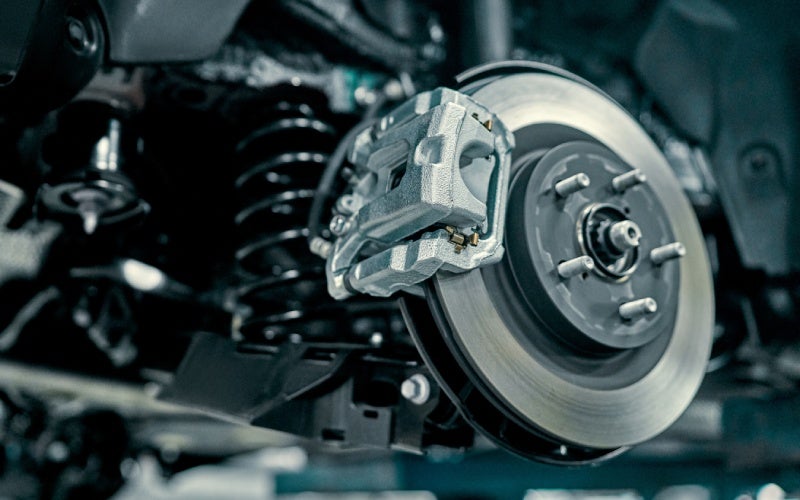
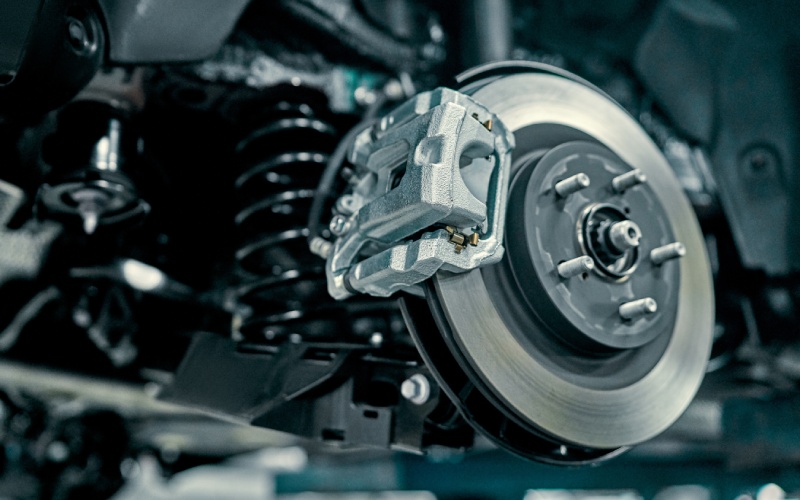
Brake parts are not the kind of components most drivers think about every day, but every commute, school drop-off, errand run, and Garden State Parkway merge depends on proper stopping performance. For Kia drivers in Waretown, NJ, daily driving can include local roads near Route 9, trips toward Barnegat and Forked River, and longer drives north toward Toms River. That mix of lower-speed traffic, traffic lights, and highway cruising places steady demand on brake pads, rotors, fluid, calipers, and related hardware. When your Kia begins to squeal, vibrate, pull, or feel less responsive under braking, choosing the right replacement parts becomes important for safety, confidence, and long-term vehicle care.
Our Kia parts department helps drivers match brake components to the exact vehicle whenever possible. A Kia Telluride, Sportage, Sorento, Seltos, K4, K5, Carnival MPV, Niro, EV6, or EV9 may have different brake part requirements based on model year, trim, drivetrain, and factory equipment. Even parts that look similar can differ in thickness, mounting points, friction material, electronic parking brake compatibility, or rotor size. Genuine Kia brake parts are designed around Kia engineering standards, which helps support consistent pedal feel, predictable stopping, and proper fit. That makes a difference when your vehicle is used for family driving, commuting, road trips, or frequent short errands around Ocean County.
Common Signs Your Kia Brake Parts Need Inspection
Brake wear can happen gradually, so it is not always obvious at first. A faint squeak may become more frequent, or a vibration may only appear at certain speeds. Kia brake pads often include wear indicators that can create a high-pitched sound when replacement is approaching. Grinding is more urgent because metal-to-metal contact can damage rotors and reduce stopping performance. A soft brake pedal can point to a brake fluid or hydraulic concern, while pulling to one side may involve uneven pad wear, a caliper issue, a collapsed brake hose, or contaminated fluid. Any change in braking behavior deserves attention because small issues can become more involved if ignored.
- Squealing or chirping: Brake pad wear indicators may be signaling that pad replacement should be evaluated soon.
- Grinding noise: Worn pads may be allowing metal contact against the rotor surface.
- Pedal vibration: Rotor wear, uneven rotor surfaces, or brake system imbalance may be present.
- Soft pedal feel: Brake fluid condition, air in the system, or hydraulic concerns may require diagnosis.
- Vehicle pulling: Uneven braking force can come from pads, calipers, hoses, tires, or alignment-related conditions.
Why Genuine Kia Brake Pads and Rotors Are Worth Matching Carefully
Brake pads and rotors work as a system, not as isolated parts. The pad friction material must work correctly with the rotor surface, vehicle weight, brake hardware, and braking electronics. Genuine Kia brake pads and rotors are built for Kia specifications, which helps maintain the braking feel your vehicle was designed to deliver. Aftermarket parts can vary widely in material, fit, noise control, dust production, and heat management. Some options may fit physically but fail to match the refinement or durability expected from a Kia. For drivers who rely on a vehicle in Waretown, NJ for work, family needs, appointments, and weekend travel, dependable brake performance is worth careful part selection.
Rotors also deserve attention. If pads are replaced on worn or uneven rotors, the new pads may not seat properly, which can lead to noise, vibration, or reduced performance. Brake hardware matters as well. Clips, shims, and fasteners help pads move correctly and reduce unwanted noise. When ordering brake components, our parts team can help identify whether your Kia needs pads only, rotors, hardware, or a more complete brake service based on inspection findings. If your Kia uses advanced driver assistance systems, maintaining the braking system to factory standards can also help preserve the smooth operation of safety technologies that depend on predictable stopping response.
What Waretown Drivers Should Know Before Ordering Brake Parts
Before ordering brake parts, gather a few details. Your VIN is the best starting point because it helps identify the original equipment configuration. Model year and trim also matter, especially across Kia SUVs, sedans, hybrids, plug-in hybrids, and electric vehicles. If you are unsure whether the front or rear brakes are the concern, describe the symptom and when it happens. A vibration felt in the steering wheel may suggest a front-end concern, while a pulsation felt through the seat can point toward the rear, although inspection is always the better path. If the brake warning light is on, or the pedal feels unusually soft, professional diagnosis should come before parts replacement.
- Find your VIN: Use the dashboard plate, driver door label, registration, or insurance card for accurate part lookup.
- Note the symptom: Record noise, vibration, pulling, warning lights, pedal feel, or longer stopping distance.
- Confirm the axle: Front and rear brake parts are different, so inspection can prevent ordering the wrong component.
- Review recent work: Tire service, wheel repair, collision repair, or prior brake work can affect the diagnosis.
- Choose installation support: Brake parts should be installed carefully, and certified service support can help protect performance.
Our parts department can also support related maintenance needs while brake work is being planned. Tire condition, tire pressure, wheel hardware, suspension parts, and brake fluid can all affect stopping confidence. A Kia with worn tires may not stop as efficiently, even with new brake pads. A vehicle with uneven tire wear or suspension movement may create sensations that feel like brake vibration. Looking at the vehicle as a complete system helps prevent unnecessary part replacement and supports a better repair outcome. That is why many local drivers prefer to source brake parts through a Kia-focused department with access to service expertise.
Frequently Asked Questions:
Can I order Kia brake parts by VIN?
Yes. VIN-based lookup is one of the best ways to help identify the correct brake pads, rotors, hardware, and related components for your Kia model.
Do I always need rotors when replacing brake pads?
Not always. Rotor condition, thickness, surface quality, and vibration concerns should be inspected. Some vehicles need pads only, while some need pads and rotors together.
Why does my Kia shake when braking?
Brake vibration can come from uneven rotor surfaces, worn components, tire concerns, wheel balance issues, or suspension wear. Inspection helps identify the correct cause.
Can your service team install parts purchased from your parts department?
Yes. Our certified Kia technicians can install parts sourced through our parts department, which helps ensure proper fitment and professional completion.
Get the Right Kia Brake Parts for Waretown Driving
If your Kia needs brake pads, rotors, hardware, or a brake system inspection, our parts team is ready to help you identify the correct components without guesswork. Waretown, NJ drivers can contact our Kia parts department in Toms River, use online parts resources, or schedule service if professional installation is preferred. Bring your VIN, describe the symptom, and let our team help match your Kia with parts designed for fit, safety, and confidence. From routine brake wear to more detailed repair planning, we are here to help keep your Kia prepared for daily driving around Ocean County.
 Warranties include 10-year/100,000-mile powertrain and 5-year/60,000-mile basic. All warranties and roadside assistance are limited. See retailer for warranty details.